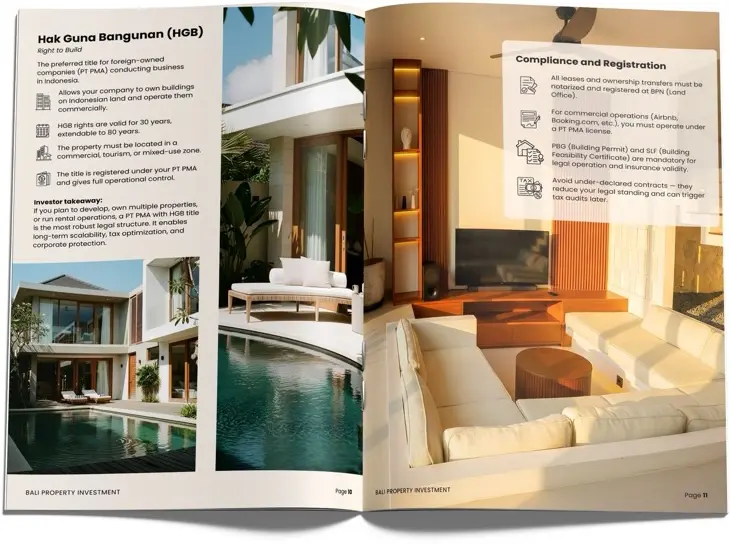

Off-Plan kinnisvara Balil

Mida tähendab off-plan kinnisvara Balil?
Ehitusjärgus (off-plan) kinnisvara ostmine Balil tähendab vara soetamist enne selle valmimist või ehituse algust. See strateegia võimaldab investoritel kindlustada hinnatud asukohaga objektid alla turuhinna ja teenida ehituse lõpuks märkimisväärset kapitalikasvu. Bali kasvav turism, üha laienev välismaalaste kogukond ning piiratud maareserv muudavad ehitusjärgus projektid atraktiivseks viisiks, kuidas siseneda kõrge kasvupotentsiaaliga turule juba varajases etapis.
Käesolevas artiklis selgitame, mida ehitusjärgus kinnisvarasse investeerimine endast kujutab, millist tootlust see võib pakkuda, millistele õiguslikele aspektidele tasub tähelepanu pöörata ning jagame praktilisi nõuandeid nutika investeerimisotsuse tegemiseks Balil.
Olulisemad punktid
- Kõrge tootlus: Varajane hinnastus ja turuväärtuse kasv võivad tagada märkimisväärse ROI.
- Õiguslikud vormid: Välisinvestorid peavad selgelt mõistma omandistruktuure, nagu kasutusõigus (leasehold) ja PT PMA.
- Paindlikud maksegraafikud: Hajutavad esialgset kapitalikulu ning parandavad likviidsust.
- Arendaja valik: Taustauuring arendaja varasemate projektide kohta aitab riske vähendada.
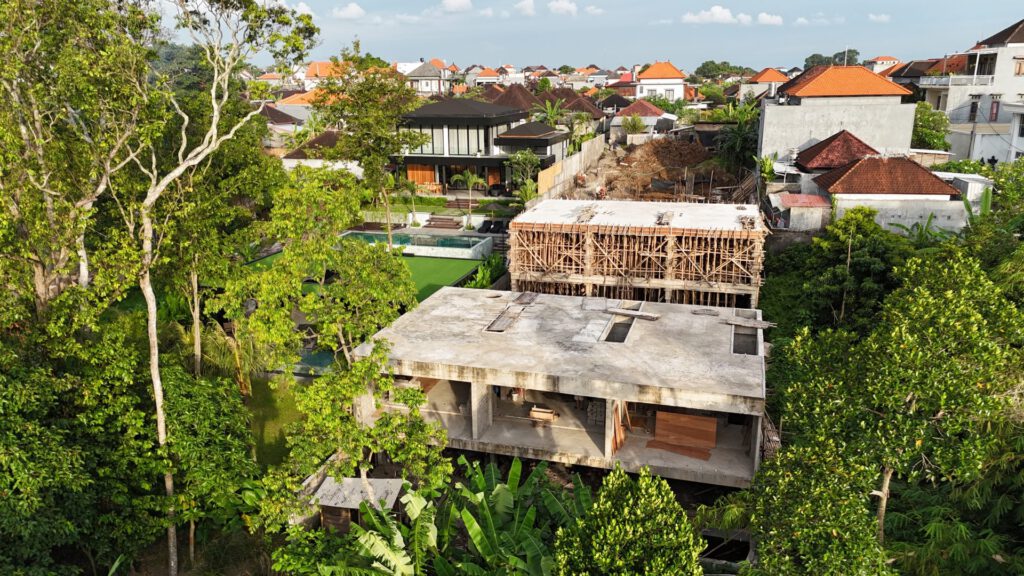
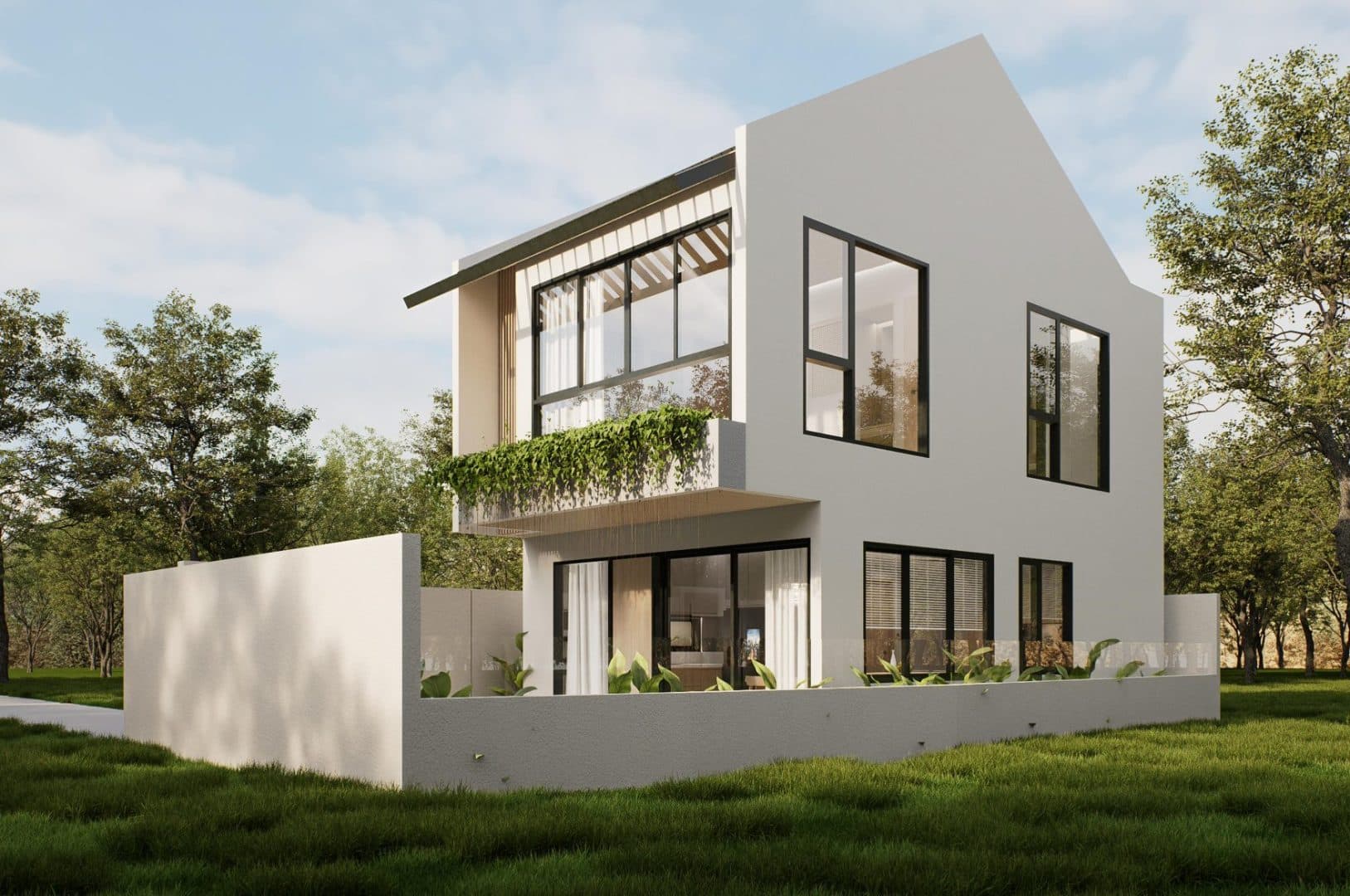
Investland Bali Properties Arendus nimega Temple Heights
Miks soetada off-plan kinnisvara Balil?
Balil tähendab ehitusjärgus (off-plan) kinnisvara seda, et ostuotsus tehakse üksnes arhitektuursete plaanide põhjal – enne hoone valmimist või ehituse alustamist. Nii saavad investorid projektiga liituda varajases faasis ning soetavad kinnisvara kuskil 20–40 % alla turuhinna. Hinnad tõusevad ehituse edenedes, mistõttu pakub selline strateegia head kapitalikasvu ja võimalust kinnisvara oma käe järgi kujundada. Sageli saavad ostjad kaasa rääkida planeeringus, siseviimistluses ja materjali valikus, mis tõstab nii kasutusmugavust kui ka objekti atraktiivsust üürnike või tulevaste ostjate silmis.
Bali majandusliku arengu ja turismi jätkuva kasvu taustal suureneb nõudlus kvaliteetsete elamispindade – eriti villade järele Canggu, Uluwatu ja Ubud piirkonnas – märgatavalt.
Vaata milliseid ehitusjärgus projekte pakub: Investland Bali Arendused
Kohandamine ja personaliseerimine
Üks off-plan-investeeringute põnevamaid külgi on võimalus kujundada tulevane kodu oma maitse ja elustiili järgi. Näiteks valis üks klient avatud planeeringu ja rohke loomuliku valguse, luues särava ja avara eluruumi. Teised on lisanud näiteks traditsioonilisi Bali elemente, saavutades moodsa mugavuse ja kultuurilse autentsuse harmoonia.
Need isikupärased lahendused parandavad kasutusmugavust, tõstavad kinnisvara atraktiivsust üürnike silmis ja suurendavad üüritootlust. Lisada saab ka näiteks energiasäästlikke lahendusi (päikesepaneelid, A-klassi seadmed).
Investor saab valida:
- värvilahendused
- siseviimistlusmaterjalid
- planeeringu (tagades, et kodu sobib isiklike eelistuste ja elustiiliga)
- sisustuse
Selline paindlikkus suurendab vara väärtust ja üüritulu potentsiaali või võimaldab luua tõeliselt personaalse kodu.
Off-plan kinnisvaraga kaasneb ka tavaliselt paindlik maksegraafik
- Tasumine toimub etappide kaupa ehituse käigus, mitte korraga.
- See lihtsustab rahavoo juhtimist ja vähendab esialgset finantskoormust ning ka kogu projekti riski.
- Lisaks saab ka soovi korral optimeerida kulusi.
Kokkuvõttes annab ehitusjärgus kinnisvara Balil investorile võimaluse siseneda kiiresti kasvavale turule soodsatel tingimustel, kujundada objekt enda vajaduste järgi ning hajutada maksed ehitusperioodi peale.
Omandivormid Balil
Välismaalased võivad Balil ehitusjärgus kinnisvarasse investeerida, kuid kõigepealt tuleb selgeks teha, millised omandistruktuurid on seadusega lubatud, et tagada investeeringu turvalisus ja vastavus Indoneesia õigusnormidele.
1. Kasutusomand / leasehold (Hak Sewa)
See on välisostjate seas levinuim, lihtsaim ja seaduslikult ligipääsetavaim viis. Kasutusomandis saab kinnisasja kasutada kindlaks määratud tähtaja jooksul – tavaliselt 25–30 aastat – ning võimalusega seda ka pikendada, tasudes vaid maa turuhinna eest. Leasehold kinnisvara on Balil väga likviidsed, laialt kasutusel välismaalaste seas ning sellist tüüpi kinnisvara on kõige lihtsam hallata.
2. PT PMA (välisomandis olev äriühing / osaühing)
Kui investor soovib pikemaajalist kontrolli või plaanib kinnisvara seaduslikult üürile anda, on PT PMA (Penanaman Modal Asing) loomine eelistatud lahendus. Selle struktuuri kaudu saab teie äriühing kinnisvara omada ja seda rendiärina kasutada. Meetod pakub suuremat paindlikkust ja kaitset, kuid eeldab asutamis- ja jooksvate nõuete ning kulude täitmist.
3. Täisomand (Hak Milik)
Täisomandi omamine on lubatud üksnes Indoneesia kodanikele. Kuigi mõnikord pakutakse seda kõrge riskiga nomineeskeemide kaudu ka välismaalastele, ei ole see kindlasti tee mida ette võtta ja risk oma investeeringust ilma jääda on suur.
Nipp: Enne lepingu allkirjastamist kontrollige alati maa sihtotstarvet ja ehitusluba (IMB/PBG). Kaasake notar ning Indoneesia kinnisvara õigust tundev jurist, et kaitsta oma investeeringut vastavalt seadustele.
Usaldusväärsete arendajate ja ehitajatega koostöö
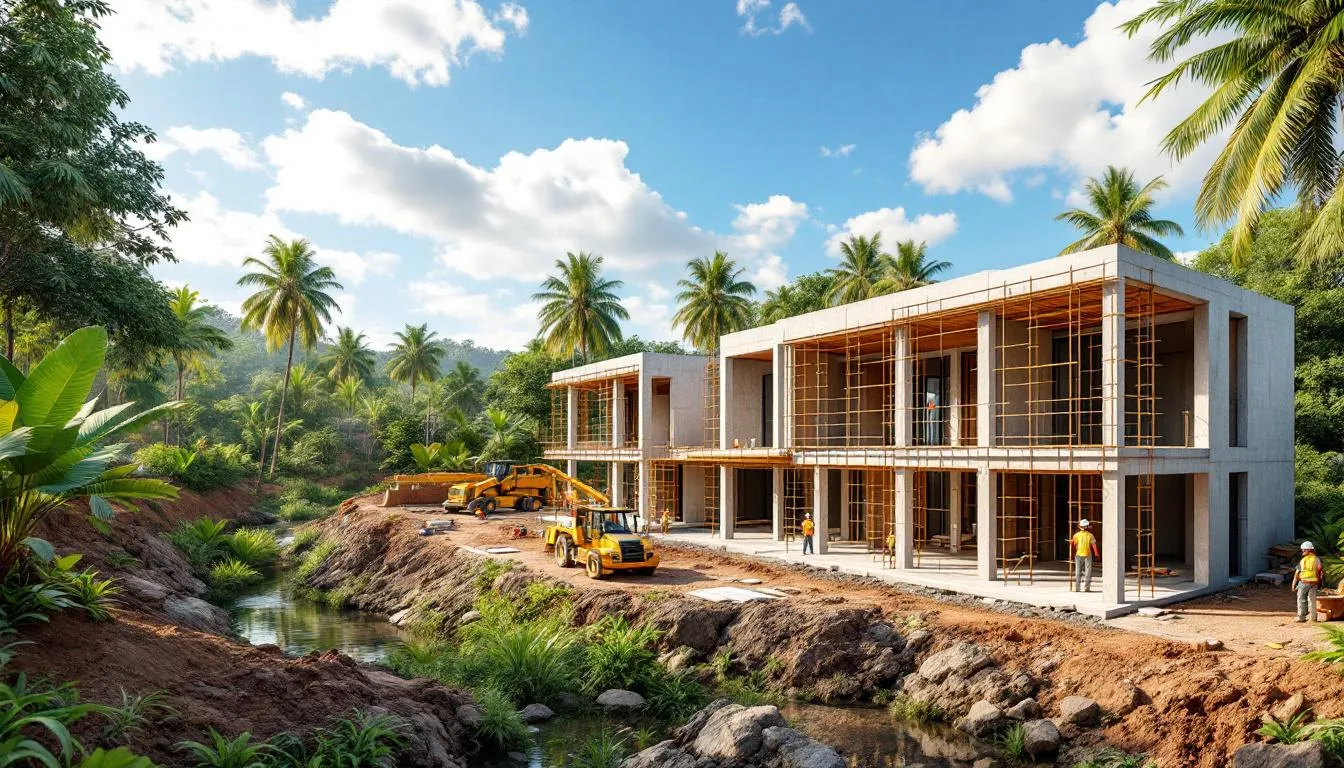
Ehitusjärgus investeeringu edu Balil sõltub suuresti arendaja valikust. Erinevalt küpsetest kinnisvaraturgudest on Bali kinnisvarasektor alles arenemas ja projektide kvaliteet võib suuresti erineda. Kapitali ja tähtaegade kaitsmiseks on põhjalik taustauuring hädavajalik.
Mida jälgida?
- Tõestatud kogemused: Eelistage arendajaid, kes on varem edukalt sarnaseid projekte lõpetanud. Paluge võimalust külastada varasemaid objekte või rääkida varasemate klientidega.
- Finantsstabiilsus: Maksejõuline arendaja jätab projektid harvemini pooleli ja tekitab vähem viivitusi. Otsige ettevõtteid, kes rahastavad projekte omakapitali, mitte üksnes ostjate ettemaksetega.
- Õiguslik läbipaistvus: Hea arendaja annab põhjalikud lepingud, selged maakasutus- ja ehitusload ning järgib ehitusgraafikut ja õigusnõudeid.
- Tugevad meeskonnad või partnerid: Kvaliteetsetel arendajatel on pikaajalised suhted arhitektide, inseneride ja ehitus meeskondadega, mis tagab järjepidevuse ja vastutuse.
Miks see on oluline: Hästi valitud arendaja vähendab riske, tagab ehituse vastavuse ootustele ja maksimeerib investeeringu tootlust. Alates ehituse käigu uuendustest kuni lõpliku üleandmiseni on läbipaistvus ja vastutus võtmetähtsusega. Enne lepingu allkirjastamist kontrollige alati arendaja ärilitsentsi (SIUP), juriidilist struktuuri ja arendusega seotuid dokumente.
Läbipaistvad lepingud ja õiguslikud kaitsemeetmed
Õiguslik läbipaistvus on Balil ehitusjärgus kinnisvarasse investeerides möödapääsmatu. Selged ja täidetavad lepingud on parim kaitse viivituste, vaidluste või lõpetamata tööde vastu.
Tugeva lepingu põhielemendid
- Töö ulatus (Scope of Work): Kõik arhitektuuri plaanid, materjalid, siseviimistlus ja furnituur peavad olema detailselt kirjeldatud.
- Ehitustähtaeg: Määrake iga etapi ja kogu projekti valmimistähtajad. Lisage klauslid viivituste ja sanktsioonide kohta, kui eesmärke ei täideta.
- Maksegraafik: Seostage etapiviisilised maksed ehitusfaasidega (nt 10 % sissemakse, 30 % vundamendi valmimisel, 30 % kandekarkassi valmimisel jne).
- Tööde lõppkontroll (Retention Clause): Parim tava on jätta viimased 5 % tasust kinni, kuni arendaja on pärast üleandmist kõik puudused kõrvaldanud.
- Force majeure’i ja lepingu tühistamise tingimused: Sätestage selged lahendused ja tagasimakse võimalused ettenägematute sündmuste korral.
Miks see on oluline? Bali kiiresti areneval kinnisvaraturul võivad suusõnalised lubadused või ebamäärased lepingud kalliks maksma minna. Kindel leping tagab, et mõlemad pooled mõistavad vastutust ja kohustusi ühtemoodi. Töötage alati koos kohaliku notari (notaris) ja juristiga, kes tunnevad Indoneesia kinnisvara õigust.
Finantsriskide juhtimine
Riskide maandamine on iga kinnisvarainvesteeringu lahutamatu osa ja Balil ehitusjärgus projektid pole erand. Kuigi tulu võib olla märkimisväärne, võivad valed finantsotsused mõjutada tähtaegu, tootlust või isegi omandi turvalisust. Järgnevalt olulisemad sammud, et oma investeeringut kaitsta.
1. Etapiviisilised maksed
Vältige suure summa maksmist ette. Valige projektid, kus maksed on seotud ehituse kontrollitavate vaheetappidega – nii vabastatakse raha alles siis, kui kindlad tööd on tehtud.
2. Reservfond
Pange kõrvale vähemalt 5–10 % eelarvest ettenägematute kulude (valuutakõikumised, väikesed täiendused, materjalide hilinemised) katteks.
3. Valuutastrateegia
Kui investeerite võõrvaluutas (EUR, USD, AUD), arvestage IDR-i kursi kõikuvusega. Escrow-kontod või osalised ülekanded soodsa kursi ajal aitavad kulusid optimeerida.
4. Arendaja escrow- või usalduskonto
Eelistage arendajaid, kes kasutavad kolmanda osapoole escrow’d või notariaalset usalduskontot. See lisab vastutust ja vähendab vahendite väärkasutuse riski.
5. Tiitli ja sihtotstarbe kontroll
Enne raha ülekandmist laske notaril kinnitada:
- krundi sihtotstarve (elamu, turism, äri)
- arendaja omandi- või kasutusõigus maale
- kehtiva IMB/PBG (ehitusloa) olemasolu
Ehitusjärgus vs valmis kinnisvara: kumb annab Balil kõrgema ROI?
Ehitusjärgus (off-plan) kinnisvara
- 15–30 % odavamad kui valminud projektid
- Märgatav kapitalikasv juba ehituse käigus
- Paindlikud maksetingimused, seotud ehitus etappidega
- Personaliseeritud viimistlus suurendab üüritootlust ja edasimüügiväärtust
Valmis villad
- Vahetu üüritulu
- Puudub ooteaeg ja ehitusrisk
- Kõrgem ostuhind
- Piiratud personaliseerimise võimalused
Järeldus: Ehitusjärgus villad Balil pakuvad tavaliselt kõrgemat tootlust neile, kes sihivad suurt kasvu – eriti sellistes piirkondades nagu Canggu, Uluwatu ja Ubud, kus nõudlus kasvab ja maa on piiratud.
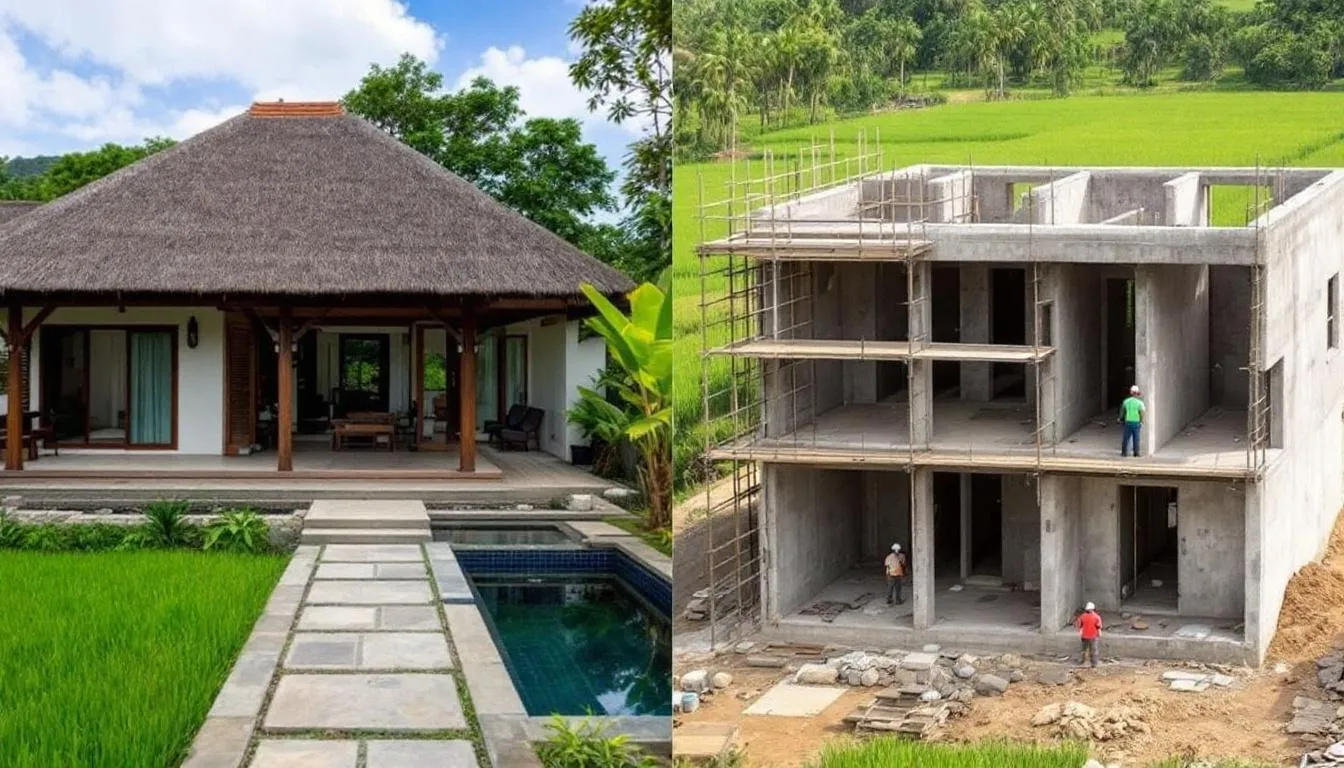
Ajagraafik: sissemaksest kuni valmimiseni
Ehitusjärgus kinnisvara ostuprotsessi ajakava mõistmine on investeerimisplaani koostamisel ülioluline. Tüüpiline protsess hõlmab:
- Esialgse sissemakse tasumist ja lepingute allkirjastamist
- Ehitusetappide läbimist
- Regulaarsete ehitus uuenduste saamist
- Valmis kinnisvara üleandmist
Maksete tasumine toimub ehituse vältel igakuiste osamaksetena või etappi põhiselt, mis võimaldab investoritel rahavoogu paremini hallata. Pärast ehituse lõppu saavad ostjad kinnisvara kasutusele võtta isiklikuks tarbeks, edasi müüa või üürile anda. Alljärgnev juhend selgitab iga etappi, et oleksite kogu protsessiks hästi ette valmistatud.

Ostuprotsessi algus
- Tagastatav broneerimistasu: Enamasti tuleb esmalt tasuda tagastatav broneerimistasu.
- See annab ostjale aega teha põhjalik taustakontroll enne lepingu allkirjastamist.
- Broneerimistasu on ostuprotsessi esimene ametlik samm.
- See kindlustab vara ning loob aluse edasistele ehitus etappidele.
Esialgne sissemakse ja lepingu sõlmimine
- Esialgse sissemakse olulisus: See on kriitiline samm ehitusjärgus kinnisvara ostmisel. Tavaliselt tuleb objekti kindlustamiseks tasuda 10–30 % suurune sissemakse.
- Lepingu allkirjastamisel järgmine makse: Pärast lepingu sõlmimist nõutakse reeglina lisaks umbes 30 % ostuhinnast, millega kinnitatakse ostutehing.
Ehitusetapid ja uuendused
Regulaarsed uuendused ehitusest on investorite teavitamiseks ja usalduse hoidmiseks hädavajalikud. Arendajad edastavad infot tavaliselt suuremate verstapostide kaupa, et tagada läbipaistvus kogu ehitusprotsessi vältel.
- Investorid saavad teateid näiteks pärast vundamendi, kandekarkassi ja katuse valmimist.
- Sellised uuendused kinnitavad, et tööd kulgevad graafikus ja arendaja täidab lubadusi.
Lõplik üleandmine ja kinnisvarahaldus
Pärast ehituse lõppu toimub lõplik üleandmine, mil investor saab kinnisvara ametlikult oma valdusse. Sellest hetkest alates võib vara kasutada isiklikuks elamiseks, müügiks või üürile andmiseks. Paljud investorid palkavad seejärel kinnisvarahaldusfirma, kes tegeleb igapäevase hoolduse ja üürnikega suhtlemisega, tagades seeläbi vara korrashoiu ja stabiilse üüritulu.
Nipp: Kui soovid kinnisvara haldust siis on parem seda teenust otse arendajalt võtta, kui selline võimalus on olemas. Arendaja teab kinnisvara üksikasju paremini kui keegi teine ja üldiselt suudab ta sulle ka kõige parema tootlikusse pakkuda.
Kokkuvõte
Ehitusjärgus kinnisvara ostmine Balil pakub investeerijale mitmekülgseid eeliseid:
- Kõrge kapitali kasvu potentsiaal ehituse jooksul
- Paindlikud maksetingimused, mis jaotavad kulud ehitusperioodile
- Võimalus kinnisvara kohandada vastavalt oma maitsele ja turu nõudlusele
Kui eesmärgiks on üüritulu teenimine, suvekodu omamine või tulus edasimüük, annab Bali off-plan kinnisvara kindla võimaluse saavutada kõrget tootlust. Toetudes siin esitatud juhistele ning tehes koostööd usaldusväärsete arendajate ja pädevate õigusnõustajatega, saate kindlustada väärtusliku vara ühes maailma ihaldatuimas sihtkohas. Astuge esimene samm oma paradiisi unistuste suunas juba täna.
KKK
Kas välismaalased võivad Balil osta ehitusjärgus kinnisvara?
Jah. Välismaalastel on võimalik soetada Balil ehitusjärgus kinnisvara kas kasutusvalduses (leasehold) või luues välismaalt juhitava osaühingu PT PMA, mille nimele kantakse omandiõigus. Mõlemad lahendused pakuvad rahvusvahelistele ostjatele toimivat investeerimisvõimalust.
Millised on ehitusjärgus kinnisvarasse investeerimise eelised?
Ehitusjärgus kinnisvara ostmine on üldjuhul soodsam, võimaldab paindlikke maksegraafikuid ning annab ostjale ruumi planeeringu ja viimistluse kaasajastamiseks. Need tegurid loovad eeldused nii kõrgemaks üüritootluseks kui ka vara väärtuse kasvuks.
Kui pikk on tavaline ehitusjärgus projekti valmimisaeg Balil?
Tavaliselt kulub projekti lõpuleviimiseks 8 – 18 kuud. Periood hõlmab sissemakse tegemist, lepingu sõlmimist, eri ehitusetappe ning lõplikku üleandmist. Soovitatav on jälgida ehituse edenemist igas etapis, et protsess kulgeks tõrgeteta.
Kuidas maandada ehitusjärgus investeeringu finantsriske?
- Maksegraafik ehitusetappide kaupa. Seoge osamaksed konkreetsete tööde valmimisega.
- Varufond. Planeerige varuraha ootamatute kulude katteks.
- Mainekas arendaja ja pädev õigusabi. Tehke koostööd usaldusväärsete partneritega, kes tagavad lepingu- ja lubade korrektse vormistuse.
Millised Bali piirkonnad sobivad ehitusjärgus kinnisvarasse investeerimiseks kõige paremini?
Canggu, Ubud ja Uluwatu on jätkuvalt suurima nõudlusega; nendes paikades on nii turism kui ka pikaajaline üürimine elav, mis toetab kinnisvara väärtuse kasvu ja stabiilset üüritootlust.