
Maatsoonid Balil: 5-tsooni juhend investoritele

Mis on maatsoonid Balil?
Bali maatsoonid on valitsuse kehtestatud süsteem, mis klassifitseerib iga maatüki lubatud kasutuse järgi. Süsteem on osa Indoneesia Rencana Tata Ruang Wilayah (RTRW) riiklikust ruumiplaneerimisel raamistikust, mida hallatakse provintsi ja piirkonna tasandil.
Bali tsoneerimissüsteem tugineb Bali filosoofiale Tri Hita Karana, mis otsib harmooniat inimeste, looduse ja vaimse maailma vahel. See filosoofia on põhjus, miks Bali tsoneerimisreeglid on rangemad kui enamikus teistes Indoneesia provintsides. Regulatsioonid kaitsevad riisiterrasse, templeid, veeallikaid ja pühasid metsi kontrollimatu arenduse eest.
Kinnisvarainvestoritele määrab tsoneerimine kõik: kas saad üldse ehitada, millist tüüpi hoone on lubatud, maksimaalne kõrgus ja vajalikud load. Vale tsooni maa ostmine võib tähendada, et sinu projekt on ebaseaduslik, ehitamatu või mõlemat. Seepärast peab põhjalik Bali kinnisvara hoolsuskontroll sisaldama tsoneeringu kontrollimist ühe esimese sammuna.
Viis Bali maatsooni lühiülevaates

Iga maatükk Balil kuulub ühte viiest värvikoodiga tsoonist. Igal tsoonil on eraldi reeglid ehitamise, äritegevuse ja investeerimispotentsiaali osas.
| Tsoon | Värv | Lubatud kasutus | Ehitamine lubatud? | Peamised asukohad | Investori olulisus |
|---|---|---|---|---|---|
| Roheline | Roheline | Põllumajandus, metsandus, kaitse | Ei | Ubudu riisiterrassid, Agung mägi, Ida-Bali | Ainult ökoturism. Hooneid ei saa ehitada |
| Kollane | Kollane | Elamu, väikeettevõtlus | Jah (max 2 korrust) | Sanur, Pererenan, osad Canggust | Eravillad, väikeettevõtted, kohvikud |
| Roosa | Roosa | Turism: hotellid, kuurordid, restoranid | Jah (max 2 korrust) | Kuta, Seminyak, Uluwatu, Nusa Dua | Üürivillad, butiikhotellid, majutus |
| Oranž | Oranž | Segakasutus: elamu + äri | Jah (max 2 korrust) | Canggu, Seminyak, Ubud | Villad, puhkuseüürid, poed, ühised tööruumid |
| Punane | Punane | Avalik taristu | Piiratud | Denpasari kesklinn, maanteed, valitsuspiirkonnad | Eraarendus väga piiratud |
Välisinvestoritele kõige olulisemad tsoonid on roosa ja oranž. Kollane tsoon sobib elamuehituseks. Roheline ja punane tsoon ei ole üldjuhul erainvesteeringuks elujõulised.
Roheline tsoon: põllumajandus ja kaitse
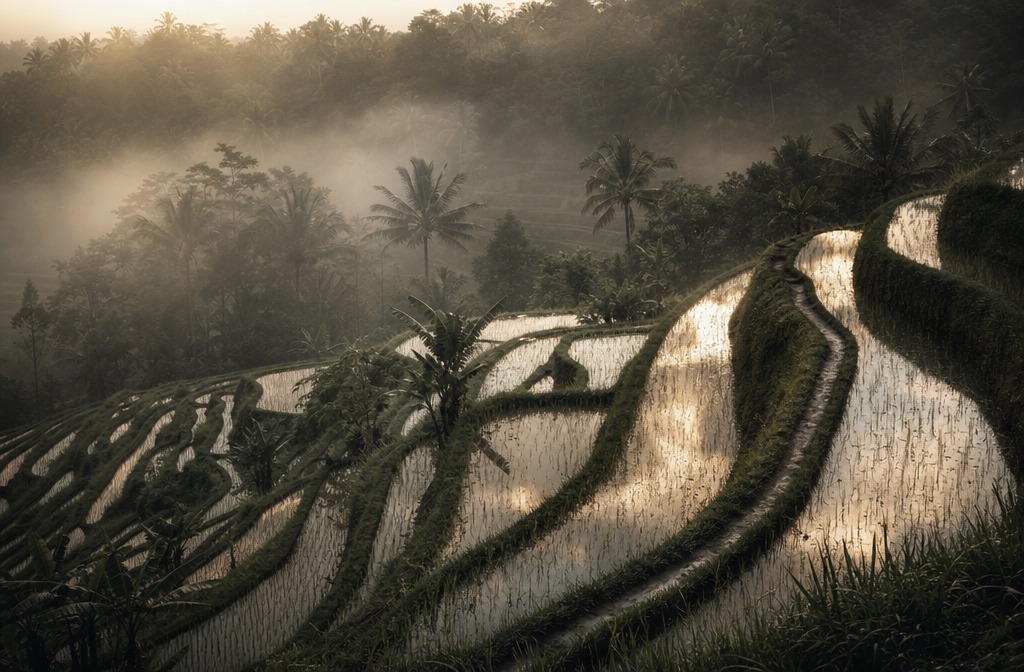
Roheline tsoon on Bali kõige kaitstum maaklassifikatsioon. See katab põllumaad, riisiterrasse, metsi, vee kogumisalasid ja pühi paiku. Alaliste hoonete ehitamine on keelatud.
Mis on lubatud: põllumajandus, metsandus, kaitse, kultuuripärandi säilitamine ja piiratud ökoturismi tegevused nagu giidiga ekskursioonid, riisipõldude jalutuskäigud ja kultuuritöötoad. Ajutised rajatised (bambuspaviljonid, avatud platvormid) võivad mõnes piirkonnas olla lubatud konkreetse heakskiiduga.
Mis ei ole lubatud: villad, hotellid, restoranid, poed ega ükski alaline ehitis. Isegi teede laiendamise projektid seisavad rohelises tsoonis piirangutega.
Peamised asukohad: Ubudu ümbritsevad riisiterrassid (sh Tegalalang ja Jatiluwih), Agung mäe ümbrus, Ida-Bali ja kaitstud ranniku alad.
Mõju investorile: ära osta rohelise tsooni maad arenduseesmärkidel. Mõned müüjad pakuvad rohelise tsooni maad allahindlusega ja väidavad, et tsoonimuutus on võimalik. Tsoonimuutused on äärmiselt haruldased, nõuavad aastaid valitsuse heakskiitu ja ei anna mingit garantiid.
Kollane tsoon: elamuarendus
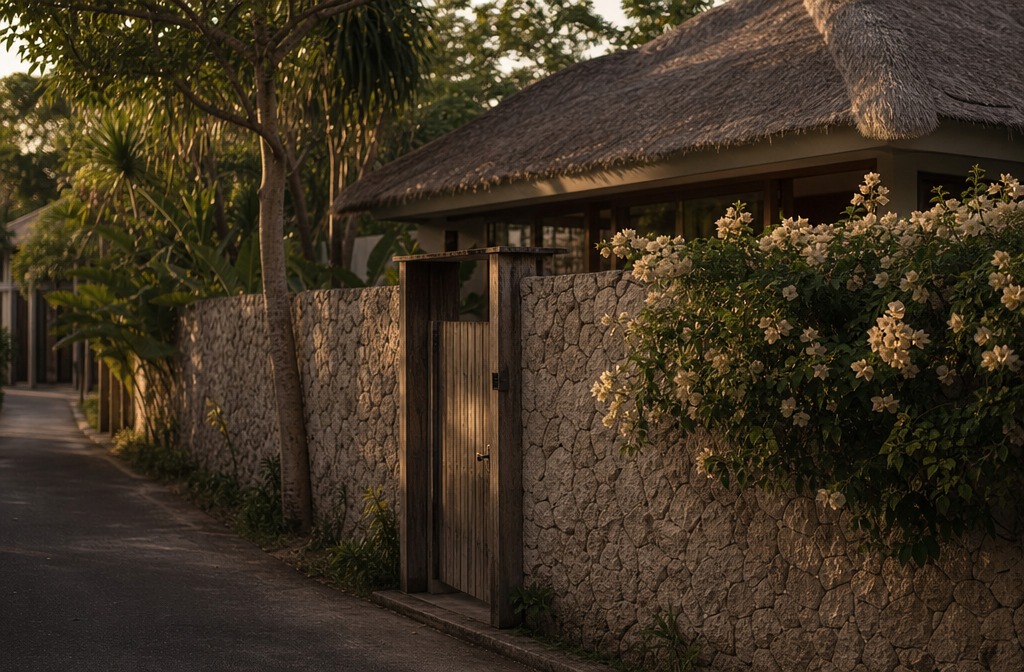
Kollane tsoon on ette nähtud elamuks ja väikeettevõtluseks. Siia jääb enamus Bali kohalikust elamufondist ja eraresidentsidest.
Mis on lubatud: eramajad, elamuvillad, väikepoed, kohvikud, kontorid ja koduettevõtted. Ehitusload (PBG, endine IMB) on kohustuslikud kõikidele ehitustele. Kõrgus on piiratud kahe korruseni (maksimaalselt 15 meetrit).
Ehitusmäärus: kõik projektid peavad austama Bali arhitektuurijuhiseid. Hooned peavad sobituma ümbritseva keskkonnaga. Tagasiasted, haljastuse kattekordajad ja traditsioonilised disainielemendid on sageli nõutud kohaliku küla (banjar'i) poolt.
Peamised asukohad: Sanur, Pererenan, osad Canggust, Denpasari elamurajoonid ja osad Ubadist.
Mõju investorile: kollane tsoon sobib ideaalselt eraresidentsi või väikese üürikinnisvara ehitamiseks. See ei sobi suuremahuliste turismiprojektide jaoks. Kui plaanid kollases tsoonis lühiajalise üüri villa opereerida, kontrolli kohalikke regulatsioone hoolikalt, sest mõnes kollase tsooni piirkonnas kehtivad ärikasutuse lisapiirangud. Välisinvestorina Balil kinnisvara ostmise protsessi mõistmine on oluline enne kollase tsooni maa soetamist.
Roosa tsoon: turism ja majutus
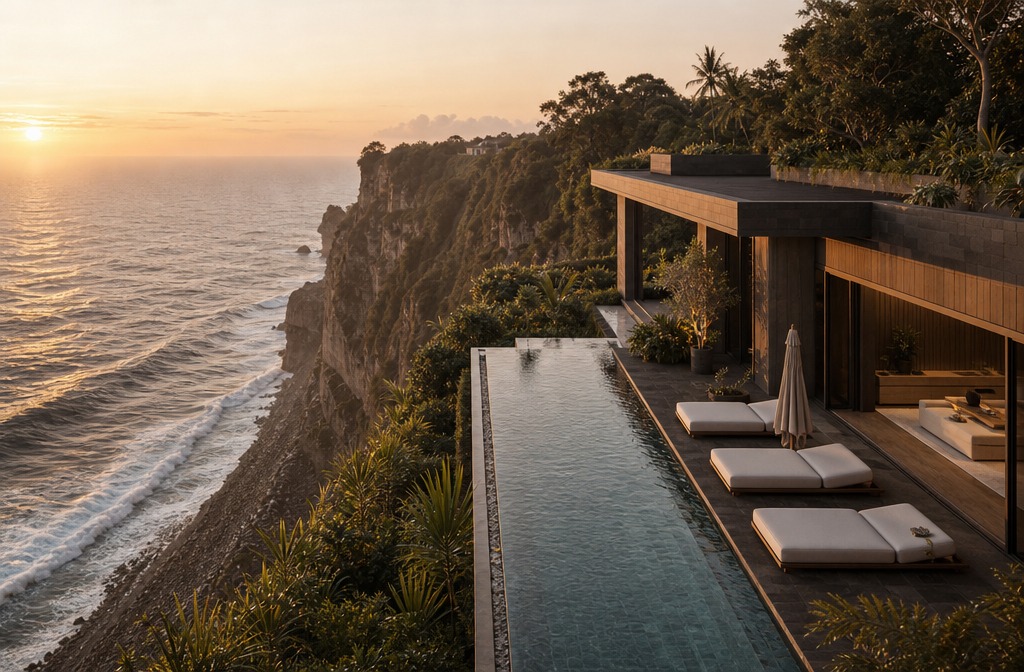
Roosa tsoon on pühendatud turismiga seotud arendusele. Siin asuvad Bali hotellid, kuurordid, rannaklubd, restoranid ja turismile orienteeritud villad.
Mis on lubatud: hotellid, kuurordid, turistidele üüritavad villad, restoranid, baarid, rannaklubd, spaad, meelelahutusasutused ja muud turismi tugiteenused. Kõik arendused peavad vastama turismieesmärkidele ja kultuuripärandi säilitamise juhistele.
Ehitusmäärus: PBG load kohustuslikud. Maksimaalselt kaks korrust (15 meetrit). Arendused peavad vastama turismitaseme standarditele, sh parkimine, jäätmekäitlus ja juurdepääsunõuded.
Peamised asukohad: Kuta, Seminyak, Uluwatu, Nusa Dua, Jimbaran ja lõunarannikul osad, mis on Bali väljakujunenud turismikoridorid.
Mõju investorile: roosa tsooni maa on turismile orienteeritud investeeringuks kõige nõutum. Hästi hallatud üürivilla roosa tsooni asukohas võib turuandmete alusel saavutada aastase netotootluse 10% kuni 12%. Kompromiss on kõrgemad maahinnad. Roosa tsooni maa Seminyakis või Uluwatus maksab märkimisväärselt rohkem kui võrdväärne kollase tsooni maatükk Sanuris või Pererenenis.
Oranž tsoon: segakasutusega arendus
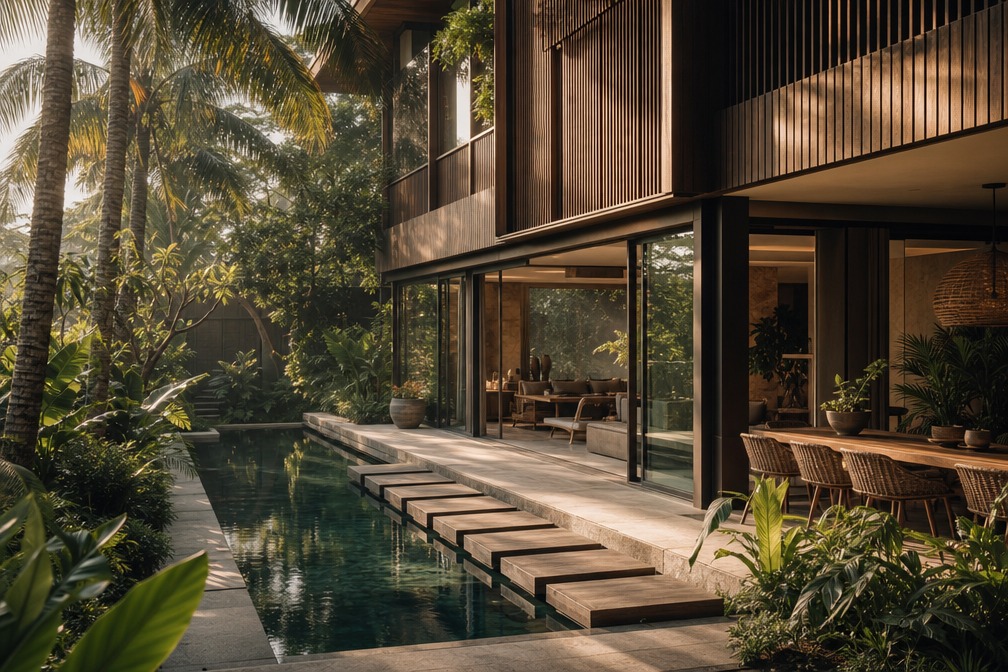
Oranž tsoon lubab nii elamu- kui ärikasutust, muutes selle investorite jaoks kõige paindlikumaks tsooniks. Siin asuvad paljud Bali villaarendused, ühised tööruumid, butiikpoed ja puhkuseüüri projektid.
Mis on lubatud: elamud, üürivillad, puhkuseüürid, poed, restoranid, kohvikud, ühised tööruumid, spordiklubid ja väikesemahulised turismiga seotud ettevõtted. Segakasutuse määrang tähendab, et saad teenindada nii kohalikke elanikke kui turiste.
Ehitusmäärus: PBG load kohustuslikud. Kahe korruse maksimum (15 meetrit). Kehtivad müra, liikluskorralduse ja avalike mugavuste regulatsioonid. Disain peab järgima kohalikke esteetikajuhiseid.
Peamised asukohad: Canggu (eriti Batu Bolong ja Berawa), osad Seminyakist, Ubud ja kerkivad alad Canggu-Tanah Lot koridoris.
Mõju investorile: oranž tsoon on välisinvestoritele üürivillade ehitamiseks vaieldamatult kõige atraktiivsem. See ühendab ärikasutuse paindlikkuse (saad seaduslikult opereerida lühiajalist üüri) elamuturu stabiilsusega (saad ka ise seal elada). Piirkondade täieliku võrdluse, sh tootluse andmed ja taristu katalüsaatorid, leiad meie investeerimispiirkondade juhendist.
Punane tsoon: avalik taristu
Punane tsoon on reserveeritud avalikuks taristuks: teed, maanteed, valitsushooned, koolid, haiglad ja avalikud pargid. Eraarendus on tugevalt piiratud.
Mis on lubatud: valitsusprojektid, avalik taristu ja eraettevõtted, mis teenivad avaliku taristu eesmärki (näiteks erahaigla või valitsuse lepinguga kool).
Mis ei ole lubatud: elamuvillad, hotellid, äripoed ega ükski tavaline eraarendus.
Mõju investorile: punase tsooni maa ei ole elujõuline investeeringuobjekt. Kui sulle pakutakse maad ebatavaliselt madala hinnaga, kontrolli alati esmalt tsoneeringut. See võib olla punane tsoon.
Kuidas kontrollida Bali maatsoone?
Enne mis tahes maa ostmist Balil kontrolli selle tsooni klassifikatsiooni. Selleks on kaks meetodit.
Meetod 1: Gistaru interaktiivne kaart. Indoneesia Maaasjade ja Ruumilise Planeerimise Ministeerium pakub veebipõhist tsoneerimiskaarti aadressil gistaru.atrbpn.go.id. Leht on indoneesia keeles, kuid võimaldab Balit sirvida ja vaadata värvikoodiga tsooni märgistusi.
Meetod 2: kohaliku omavalitsuse kinnitus. Taotle ametlik tsoneerimistunnistus (Surat Keterangan Rencana Kota ehk SKRK) kohalikust piirkondlikust planeerimisametist. See dokument kinnitab tsooni, lubatud maakasutuse, ehituse kattekordaja ja konkreetse maatüki maksimaalse kõrguse. See on lõplik kinnitus ja peaks olema osa igast kinnisvara hoolsuskontrolli protsessist.
Oluline: veebikaardid võivad olla aegunud. Tsooni piire kohandavad kohalikud omavalitsused aeg-ajalt. Kontrolli alati veebikaart ametliku SKRK-ga enne ostuotsuse tegemist.
Bali 15-meetri kõrguspiirang
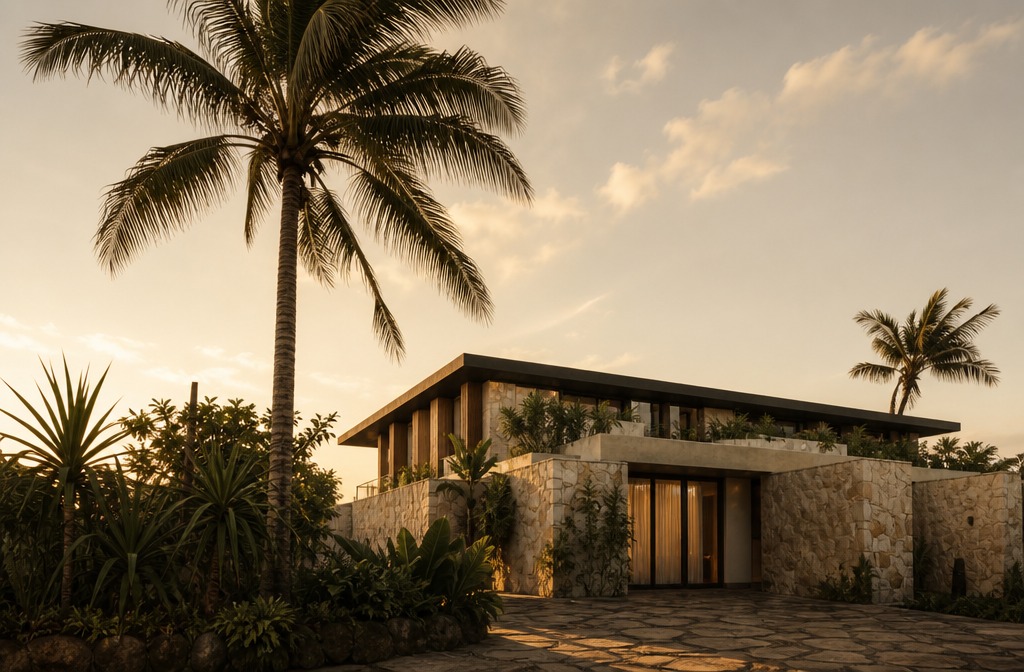
Kogu ehitustegevus Balil on piiratud 15 meetri kõrgusega, olenemata tsoonist. See reegel pärineb 1970. aastatest ja tugineb Bali traditsioonile: ükski hoone ei tohi olla kõrgem kui täiskasvanud kookospalm ning ükski rajatis ei tohi varjata vaadet templile (pura) ega püha mäe suunas.
Praktikas tähendab see enamiku hoonete puhul maksimaalselt kahte korrust. Kolm korrust on tehniliselt võimalik mõnel juhul, kui korruste vaheline kõrgus on madal, kuid see nõuab eriheakskiitu.
Kõrguspiirang on kaitsnud Bali silmapiiri kõrghoonete arenduse eest, mida näeb teistes Kagu-Aasia turismisihtkohtades. Investorite jaoks tähendab see, et maapindala loeb rohkem kui turgudel, kus saab ehitada vertikaalselt. 300 m2 maatükk Balil ei saa oma suurust kompenseerida lisakorrustega. See on üks põhjus, miks Bali kinnisvaraturg näitab tugevat nõudlust suuremate maatükkide järele arenemas piirkondades.
Millist tsooni peaksid investorid valima?
Sobiv tsoon sõltub sinu investeerimisstrateegiast. Siin on otsustusraamistik levinuimate investoriprofiilide alusel.
| Investori profiil | Soovitatav tsoon | Miks |
|---|---|---|
| Lühiajaline üürivilla (Airbnb, broneerimisplatvormid) | Roosa või oranž | Mõlemad tsoonid lubavad seaduslikult turismile orienteeritud üürimist |
| Pikaajaline üürikinnisvara | Kollane või oranž | Kollane tsoon on elamule keskendunud. Oranž lubab ka äriüürnikke |
| Butiikhotell või kuurort | Roosa | Turismile pühendatud tsoon on majutusettevõtte jaoks õige klassifikatsioon |
| Eraresidents (üürimiseta) | Kollane | Elamule keskendunud tsoon, sageli vaiksem ja madalama maahinnaga |
| Segakasutuse projekt (villa + kohvik, villa + ühine tööruum) | Oranž | Ainult oranž tsoon toetab nii elamu- kui ärikasutust ühes projektis |
| Öko-retriit või terviskeskus | Roosa (rohelise lähedal) | Turismikasutus roosas tsoonis, ideaalis rohelise tsooni kõrval loodusliku ümbruse jaoks |
Sügavama analüüsi saamiseks, milline Bali piirkond sobib sinu investeerimiseesmärkidega, sh tootluse andmed ja ostjaprofiilid piirkonniti, loe meie piirkonnajuhendit.
Levinud tsoneerimise vead, mida investorid teevad
Rohelise tsooni maa ostmine allahindlusega. Mõned müüjad pakuvad rohelise tsooni maad 30% kuni 50% alla turuhinda ja väidavad, et tsoonimuutus on "käimas" või "garanteeritud". Tsoonimuutused Balil on haruldased, võivad kesta aastaid ja ei anna garantiid. Ära osta rohelise tsooni maad eeldusega, et saad ehitada.
Eeldamine, et kogu Canggu on samas tsoonis. Canggu hõlmab mitut tsooni. Osad Berawast ja Batu Bolongist on oranž tsoon. Teised lõigud on kollane tsoon. Mõned riisipõldude alad on roheline tsoon. Kontrolli konkreetset maatükki, mitte piirkonna üldnime.
Banjar'i tasandi reeglite ignoreerimine. Isegi lubatud tsoonis võib kohalik küla (banjar) kehtestada lisapiiranguid ehituskõrgusele, mürale, äritundidele või arhitektuuristiilile. Need reeglid ei ole alati dokumenteeritud ametlikel tsoneerimiskaartidel.
Tsoneerimiskaardi versiooni kontrollimata jätmine. Bali tsoneerimispiire on uuendatud mitu korda. 2018. aasta vana kaart võib näidata erinevaid piire kui praegune 2024. aasta RTRW revisjon. Taotle alati kehtiv SKRK piirkondlikust ametist.
Tsooni piiri hoolsuskontrolli vahelejätmine. Tsooni piiri lähedal olev maa võib osaliselt olla ühes tsoonis ja osaliselt teises. 1 000 m2 maatükil võib olla 700 m2 oranžis tsoonis ja 300 m2 rohelises tsoonis, muutes rohelise osa ehitamatuks. Investorite jaoks, kes kaaluvad erinevaid Bali asukohti, katab meie investeerimispiirkondade juhend tsoneerimisest kaugemaid piirkondlikke tegureid.
Tee oma tsooni valik reaalsete andmetega
Tsoneeringu mõistmine on esimene samm. Enne mis tahes maatüki ostmist kontrolli alati tsoneeringut nii Gistaru kaardilt kui ka ametliku SKRK-ga. Tee koostööd sõltumatu Indoneesia kinnisvarajuristiga, kes kontrollib kõiki lubasid, sh PBG (ehitusluba), keskkonnaload ja banjar'i tasandi heakskiite.
Kui soovid abi tsooni-vastavate investeerimisvõimaluste leidmisel, pakub meie meeskond tasuta strateegiakõnesid, kus käime läbi piirkonnad, tootluse ja juriidilise struktureerimise vastavalt sinu eesmärkidele.
Broneeri tasuta strateegiakõne
Artikli autor
Kristjan Ploompuu on Investland Bali Properties tegevjuht. Ta on juhendanud üle 100 rahvusvahelise investori 18+ riigist Bali kinnisvaratehingutes, hallates eluaegset tehingumahtu üle 120 miljoni euro. Ta juhib Investland Bali investeerimisstrateegiat, juriidilist struktureerimist ja partnerite valikut.
Avaldatud: juuli 2025 | Viimati uuendatud: juuni 2026